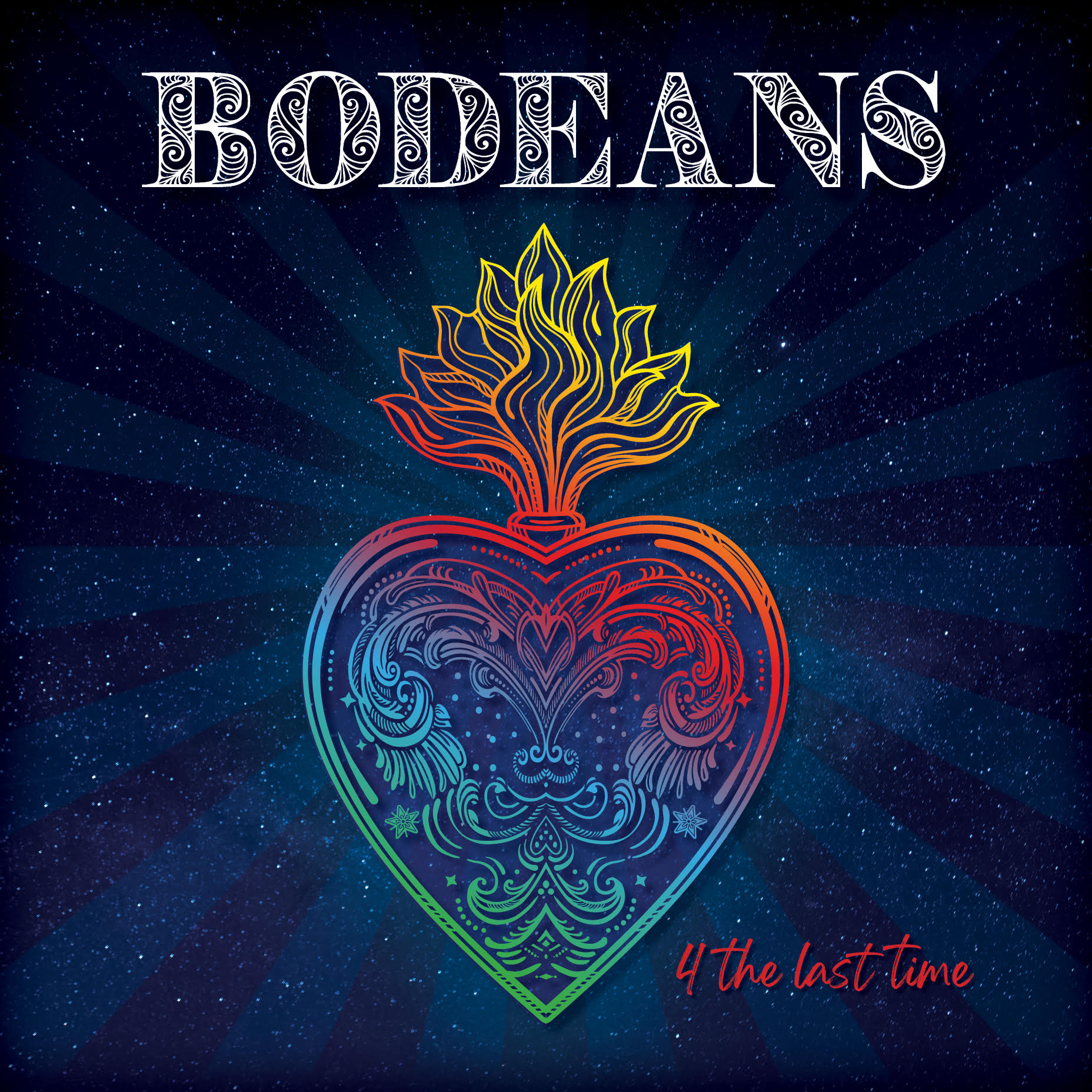
Available June 24, 2022
Official site of BoDeans
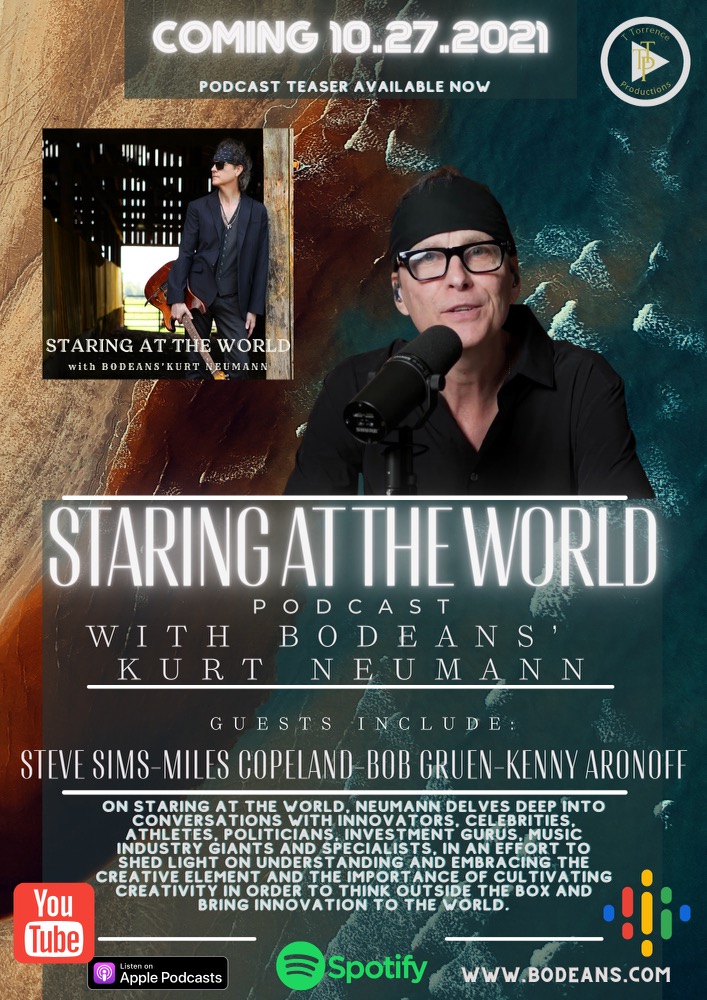
Many people in the music business are just about making hits and making money. That’s a different approach to songwriting than thinking, “Let’s create amazing art.” – Kurt
All I’ve ever tried to do with my guitar playing and singing is to create something that’s really just me. My own thing. My own sound. Easy to identify.
And the same goes for BoDeans songs. I try to keep it simple. I think that’s one of the elements that makes for a good song. It’s easy for people to sing along with us.
To me, that’s what music is about. That’s why you play: So everybody can sing along together. – Kurt
I think with music it’s about developing something that’s real and honest, something that people can identify with.
And musically or lyrically you try to expose yourself. Your wants and desires. Your wounds.
And your fans or followers identify with those feelings. Because they’ve been there to. And so we know we’re not alone in this human experience. – Kurt
I started out as a drummer. But after high school I bought a guitar, just to work on learning how to write songs.
I didn’t want to be in a band that played other people’s songs. So I figured I should start trying to write songs, but I never planned on being a guitar player.
But a year or so later, I was playing a gig in my basement for my 18th birthday with some friends. And there I was, standing in front with a guitar in my hands instead of the drums. Not sure how that happened. – Kurt
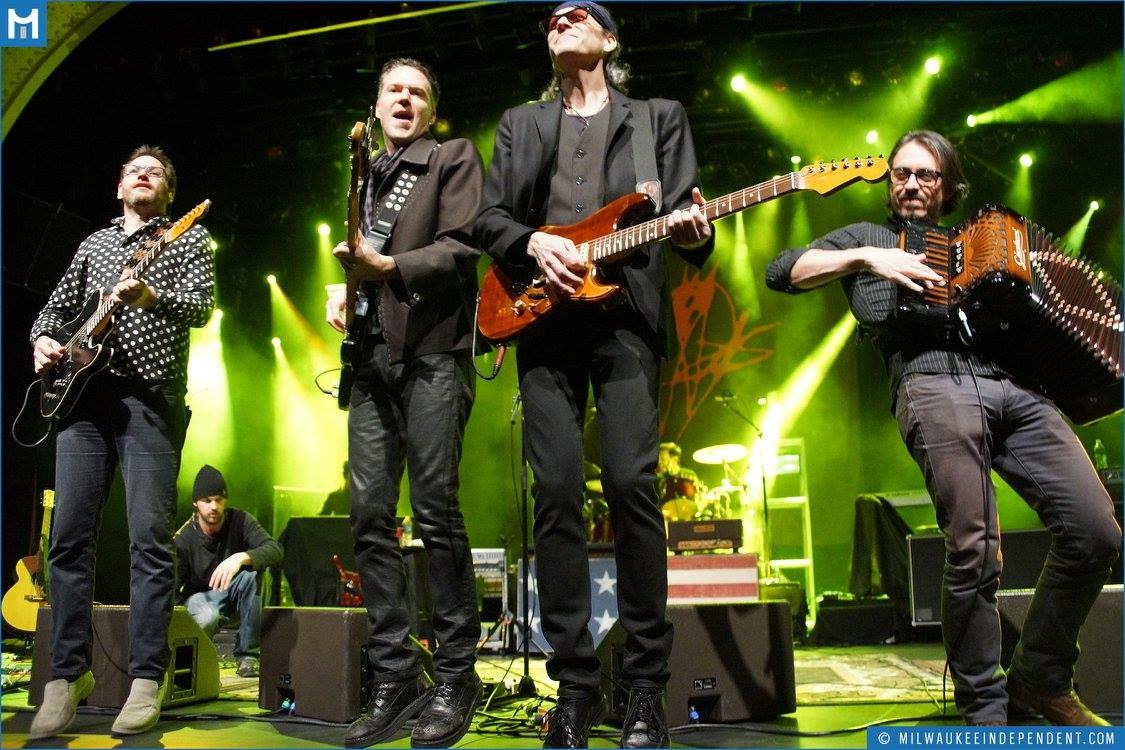
For years we’ve been playing the song “Jenny Rae.” We’ve done so many different versions of it musically that it’s probably set some kind of record for that.
It was never a single. Several of the songs we play now weren’t singles. We’re delving into some more obscure stuff.

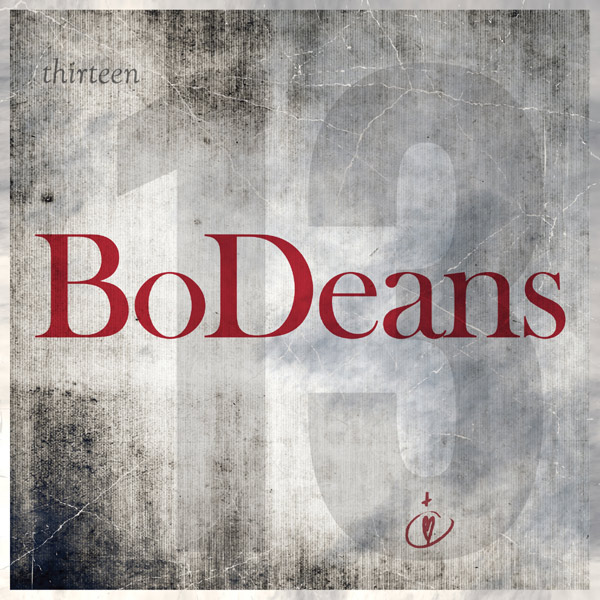
“Sway” is my favorite song on the album “13”.
I love having instrumental pieces on a record. It’s kind of like an interlude for people who are listening to the album.
It’s a great song to put on late at night when you’re with somebody you love and just want to sway to the music with them. – Kurt
A special afternoon show! Tickets and details

I love listening to great performances from human beings. But I feel like that’s something we’re slowly phasing out of our evolution and I think it’s such a big mistake for people not to pay attention to it.
We’ve minimized the value of music in our society today compared to the 60s, 70s, 80s and 90s. And it might not seem really important to people right now, but I wouldn’t minimize this. Because if it can happen to music… it could happen across the board. – Kurt